The PII Redaction Layer — How Your Team Is Leaking Client Data to ChatGPT and What to Do About It
Here is the part of AI governance that most businesses overlook entirely: the prompt your employee types is the same surface area as the data they paste into it. If your bookkeeper drops an entire payroll register into ChatGPT to ask one question, the AI vendor has now seen the whole register. The mitigation is a layer most consumer AI tools simply do not have: automatic PII redaction.
What PII Redaction Actually Does
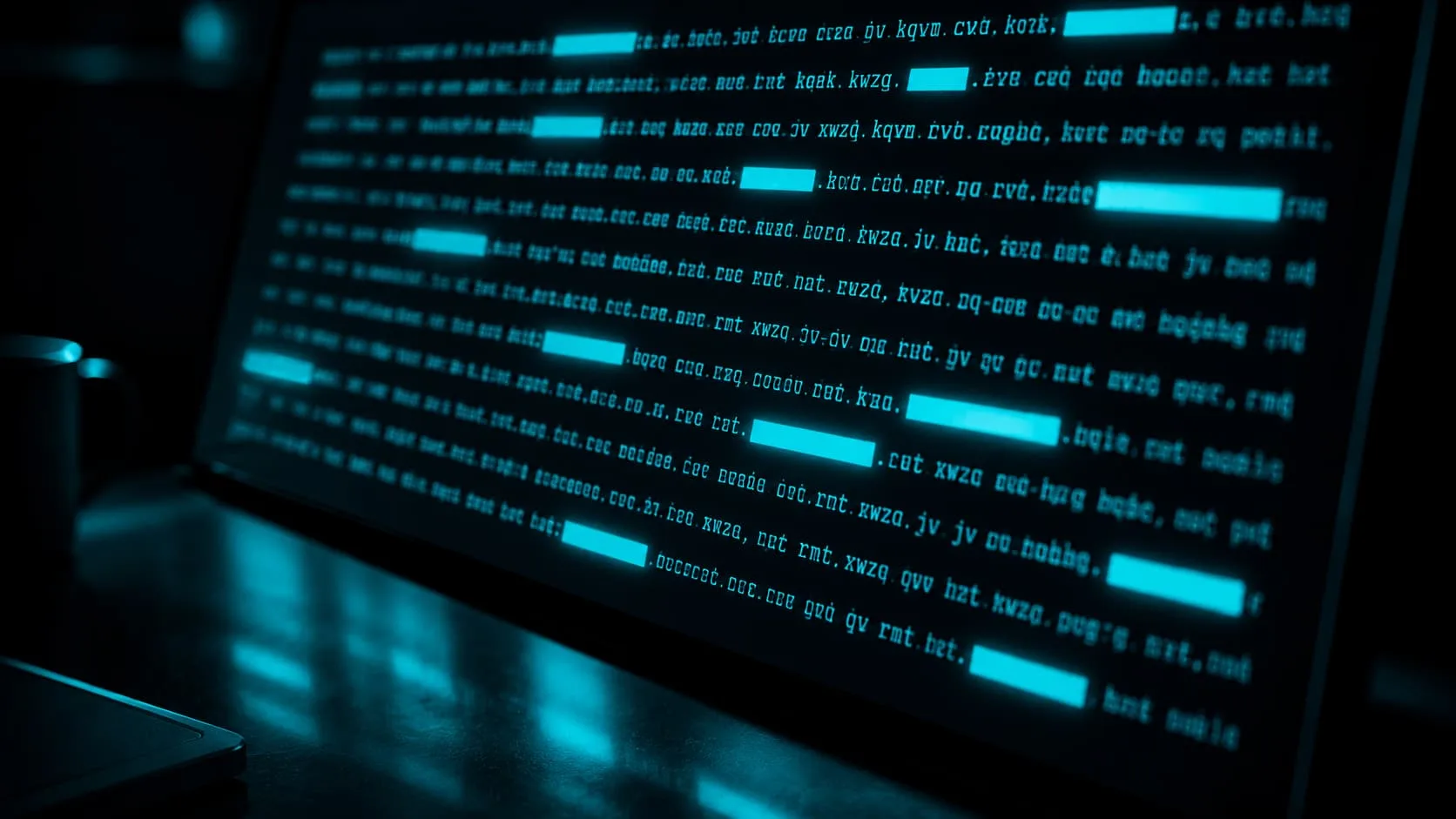
An employee composes a prompt in the AI tool. Before it leaves the company network, the prompt is scanned by a dedicated detection layer running on hardware your IT controls. The layer identifies known patterns of sensitive data — Social Security numbers, account numbers, dates of birth, patient names, client names from your CRM, financial-account-number formats, addresses, phone numbers, and so on — and replaces them with anonymized tokens ([CLIENT_NAME], [SSN], [DOB]) before the prompt reaches the AI vendor.
The model receives a prompt that is functionally identical for its purposes — it can still summarize, analyze, translate, draft, or critique the content — but it never sees the underlying identifiers. The redaction map stays inside your business. When the response comes back, your hub re-substitutes the tokens with the original values so your employee sees a normal-looking response. Total roundtrip latency under 200ms.
What Gets Caught
- Universal PII formats: SSN, EIN, ITIN, credit-card numbers, account numbers, routing numbers, addresses, phone numbers, email addresses, dates of birth.
- Healthcare specific: patient names from your EHR, MRN format, NPI numbers, claim numbers, prescription numbers.
- Legal specific: client matter numbers, case captions, opposing-party names from your case management system.
- Accounting specific: client EIN/SSN, account numbers, return preparer identification, K-1 distributions, partner allocations.
- Custom dictionaries: client names, employee names, vendor names, product codenames — pulled from your CRM, HR system, or a manually-maintained list.
The Honest Tradeoff
PII redaction is not perfect. A determined employee who really wants to leak client information can paraphrase identifiers and bypass the layer. The redaction is mostly defending against accidental disclosure — the employee who is trying to work fast, not the employee who is trying to break policy. That is fine, because accidental disclosure is the dominant risk pattern. Pair PII redaction with normal access controls and security training, and you have a defense-in-depth posture that makes your business meaningfully safer than 95% of competitors.

Steve Condit founded Simply IT to bring enterprise-grade IT management to small and mid-sized businesses across North Central Florida. With over 30 years of IT experience and a background in the US Marine Corps, Steve built Simply IT around the principle that local businesses deserve the same quality of technology partnership that large companies take for granted — without long-term contracts or national call center support.
KEEP READING
RELATED SOLUTIONS & SERVICE AREAS
READY TO SOLVE YOUR IT CHALLENGES?
Get a free technology assessment and find out exactly where your business stands.