AI-Powered Phishing Is Here — What North Central Florida Small Businesses Must Do in 2026 to Defend
For two decades, the standard advice to small-business employees has been “look for typos and bad grammar — that's how you spot phishing.” That advice is now dead. Generative AI has given attackers fluent, perfectly-localized prose; cheap voice cloning makes a fraudulent CEO call indistinguishable from the real thing; and AI-generated invoices match your real vendor's branding down to the watermark. The defenses small businesses relied on through 2024 do not work in 2026.
What Changed Between 2023 and 2026
Four specific things changed, and each one disabled a defense layer employees and businesses had been relying on:
- Perfect grammar and tone: the “Nigerian prince” tell is gone. AI-drafted phishing emails read like they were written by a senior VP — because the model wrote them as if it were a senior VP.
- Hyper-personalization at scale: attackers feed your LinkedIn profile, your company website, your published case studies, and your social posts into a model and generate phishing that references your actual projects, your actual colleagues, and your actual vendor relationships.
- Voice cloning (vishing): three seconds of audio — from a podcast appearance, a YouTube clip, a voicemail greeting — is enough to clone an executive's voice. The fraudulent “please wire $80,000 by end of day” call now actually sounds like your CEO.
- Deepfake video for executive impersonation: the Hong Kong wire-fraud case in early 2024 showed deepfake video on a multi-participant video call moving $25M. Small-business equivalents are now being reported quarterly.
- AI-generated invoice fraud: attackers compromise a vendor email, generate a fake invoice that matches the vendor's actual template, and redirect payment to a new bank account. The invoice looks identical to legitimate ones.
The Five-Layer Defense That Works in 2026
No single layer stops AI phishing. Defense-in-depth still works — you just have to update the layers to match the threat:
What Employee Training Has to Look Like Now
The training narrative has to change. The 2024 message of “watch for typos” is actively counterproductive in 2026 — it gives employees false confidence in messages that look polished. The 2026 message is short: verify high-value requests through a second channel, every time, no exceptions, and treat voice as compromised by default.
For finance and AP staff specifically, the training has to include the callback protocol drill. The CEO calls the controller asking for a $50K wire to a new account — the controller's correct response is “I'll call you back at your office number to confirm,” full stop. If the CEO objects, the answer is still no. That conversational muscle has to be built in advance, in training, before the real attack lands. Read our MFA rollout playbook for the identity side of this defense.
What Microsoft Defender for Office 365 Actually Catches
For most North Central Florida small businesses already on Microsoft 365, the highest-leverage upgrade is moving to Defender for Office 365 Plan 1 (or stepping up to a license bundle that includes it). Plan 1 adds Safe Attachments (sandboxing), Safe Links (URL rewriting and runtime checking), and anti-phishing impersonation protection. Plan 2 adds Attack Simulator (built-in phishing simulations), Threat Explorer, and automated investigation/response. Most small businesses get the most value from Plan 1 plus a dedicated awareness-training vendor.
Cyber Insurance Now Requires This Stack
The 2026 cyber-insurance renewal questionnaire is going to ask explicitly about each of these layers: DMARC enforcement level, email security gateway in use, MFA factor type, security awareness training cadence, and callback verification protocol. Honest answers determine your premium — or whether the carrier offers a policy at all. Our 10-control cyber insurance checklist walks through every item.
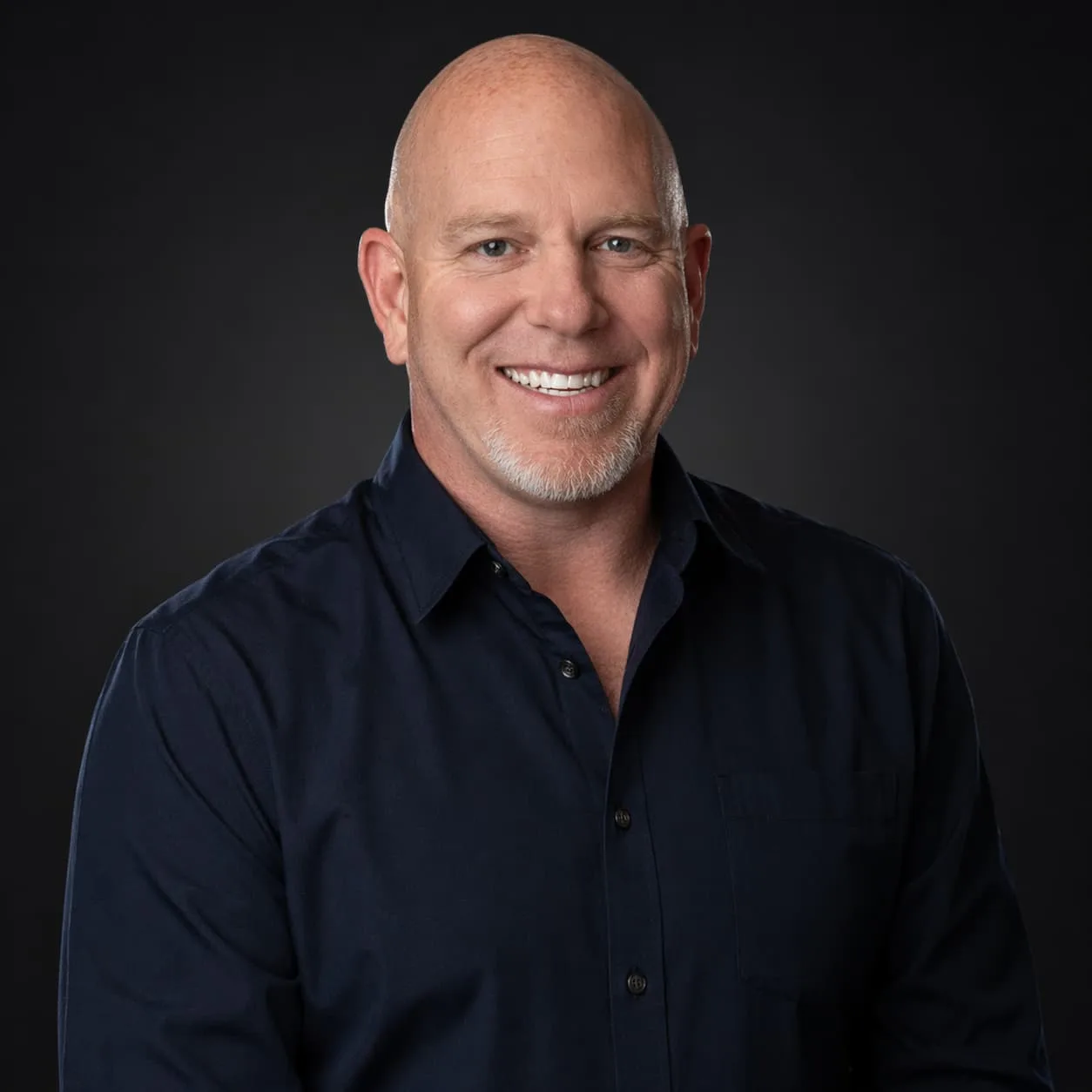
Steve Condit founded Simply IT to bring enterprise-grade IT management to small and mid-sized businesses across North Central Florida. With over 30 years of IT experience and a background in the US Marine Corps, Steve built Simply IT around the principle that local businesses deserve the same quality of technology partnership that large companies take for granted — without long-term contracts or national call center support.
KEEP READING
RELATED SOLUTIONS & SERVICE AREAS
READY TO SOLVE YOUR IT CHALLENGES?
Get a free technology assessment and find out exactly where your business stands.