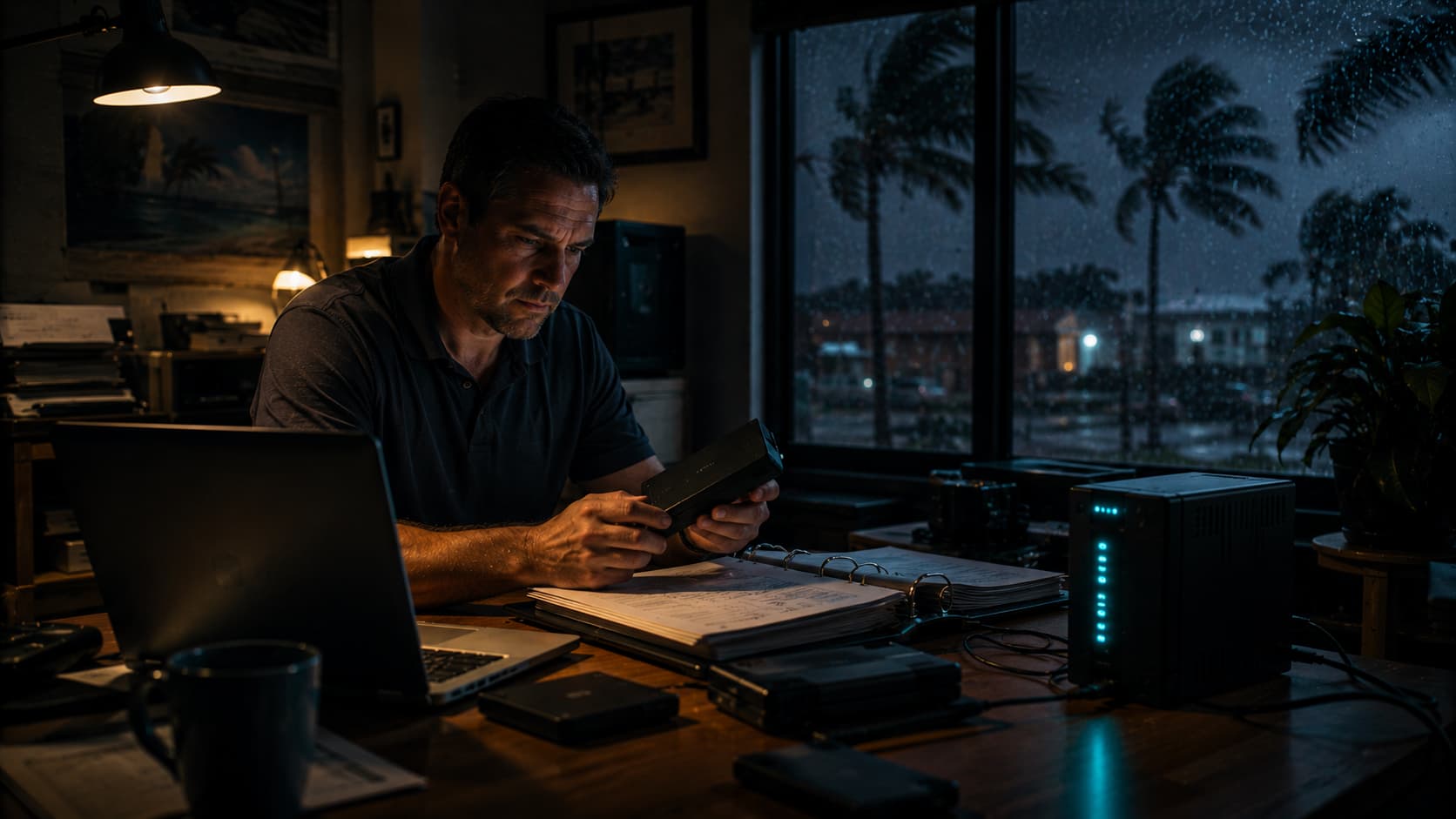
2026 Florida Hurricane Season — The IT Continuity Plan Your Business Should Have Locked Down Before June 1
Florida hurricane season runs June 1 through November 30, and NOAA's 2026 forecast calls for above-normal activity. Most North Central Florida small businesses still treat IT continuity as a fire drill — something they think about when a storm is named, not something they have built into the business as an operational requirement. The result is predictable: every named storm leaves a trail of businesses that were down for a week longer than they needed to be, lost data they didn't need to lose, and discovered their backup hadn't worked in months. Here is the pre-season playbook every Florida client we work with goes through — ideally before June 1.
Why Hurricane Continuity Matters Even Inland
Coastal Volusia, Marion, and Putnam exposure is obvious. What gets underestimated is that even inland counties like Marion, Alachua, and Sumter routinely lose power for 3–7 days after a major storm, internet for similar windows, and have multi-day road closures from flooding and downed trees. Your office doesn't have to be in the storm's direct path for your business to be down for a week.
Hurricane Ian in 2022 took out a wide swath of inland Florida businesses for over a week. Hurricane Idalia in 2023 hit Levy, Dixie, and Taylor counties — not the Florida coast that most planning assumes. Hurricane Helene in 2024 dragged storm impact deep into Georgia and Tennessee. The pattern: inland is no longer safe to assume.
The Five-Layer Continuity Stack
The continuity stack that actually keeps a small business operational through a Florida hurricane has five layers. None of them is exotic. All of them have to be in place before the storm is named.
The Pre-Season Checklist
Done in March or April every year, the pre-season checklist takes a single business day and is the difference between a confident response and a chaotic one:
- Test failover by physically pulling the primary WAN. Not in theory. Actually unplug it. Verify the SD-WAN flips over, traffic continues, VoIP calls survive. Most businesses discover something doesn't work the way they thought.
- Verify cloud backup restore. Pick a non-critical file from last month's backup. Restore it. Confirm the data is intact and the restore process works. The backup that has never been tested is not a backup — it's a hope.
- Generator load-bank test. If you have a generator, run it under load for at least 30 minutes. Fuel polished. Battery checked. Transfer switch verified. Do this in spring, not when a storm is two days out.
- Update the employee contact tree. Phone numbers change, employees leave, new ones arrive. The tree from 2024 is out of date. Confirm every entry, including secondary contact methods.
- Review cyber insurance. Specifically: are there “act of God” or natural-disaster exclusions that limit coverage? Does the policy cover continuity costs (rented offices, employee overtime) during a declared disaster? Don't find out at claim time. Our cyber insurance checklist covers the controls side.
The 72-Hour Recovery Runbook
When the storm has passed and the response begins, the time-pressured decisions are easier if the runbook is already written. The structure we hand every client:
Florida-Specific Considerations
Two Florida regulatory items every business owner should know about: the FIPA 30-day breach-notice clock does not pause for hurricanes. If a storm-related event compromises personal information (server lost in flood, decommissioned equipment exposed, etc.), the Florida Information Protection Act notification timeline keeps running. AHCA reporting requirements for healthcare entities similarly do not pause. Build hurricane-window compliance into your incident response plan, not around it.
For coastal-adjacent Florida businesses — including those serving the Daytona Beach and Volusia County corridor — the continuity stack is genuinely existential. A direct hit can take a building offline for weeks. The cloud-first architecture is the only thing that keeps the business going. See our cloud backup solution for the immutable backup specifically.
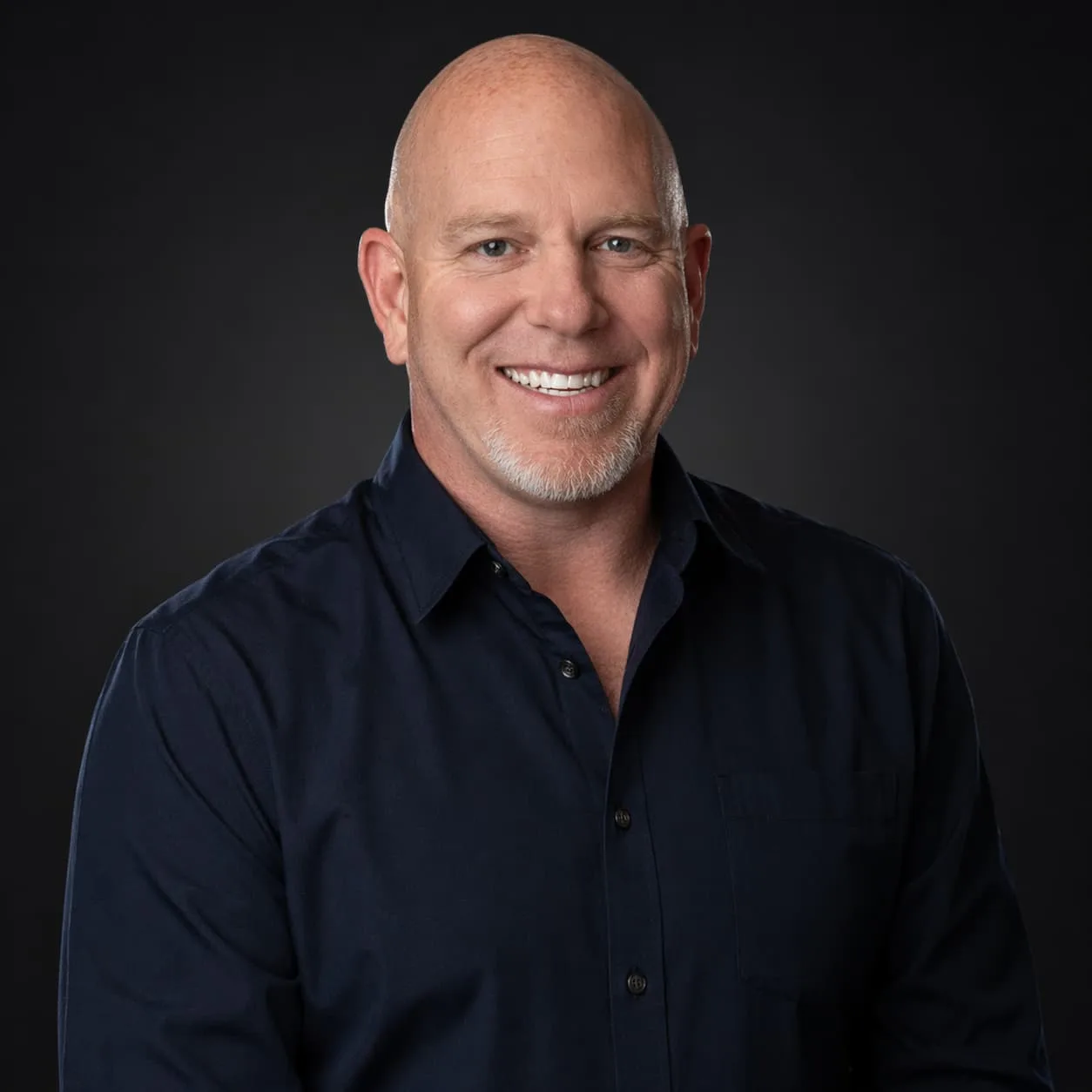
Steve Condit founded Simply IT to bring enterprise-grade IT management to small and mid-sized businesses across North Central Florida. With over 30 years of IT experience and a background in the US Marine Corps, Steve built Simply IT around the principle that local businesses deserve the same quality of technology partnership that large companies take for granted — without long-term contracts or national call center support.
KEEP READING
RELATED SOLUTIONS & SERVICE AREAS
READY TO SOLVE YOUR IT CHALLENGES?
Get a free technology assessment and find out exactly where your business stands.