
Cyber Insurance for Gainesville Businesses in 2026 — The 10 Underwriter Controls Carriers Now Require
Florida cyber insurance in 2026 looks nothing like it did in 2022. Underwriters now demand documented evidence of 10 or more technical controls before they will issue a new policy or renew an existing one, premium increases are running 20 to 35 percent year over year for small business, and applications that would have sailed through underwriting three years ago come back with declinations or punitive repricing. Gainesville businesses see the squeeze on multiple fronts — a healthcare-dense metro with high ransomware exposure, a university-research IP target profile that draws nation-state attention, and a hurricane-region downtime risk that no inland location escapes. Here is what carriers actually want to see in 2026, the evidence they accept, and the controls Simply IT deploys at each tier. For the full local-business context, see our managed IT for Gainesville guide; for the deep regulatory reference on every control, see our cyber insurance 10-control checklist.
Why Gainesville-specific framing matters
Cyber-insurance underwriting in Florida has hardened faster than in most of the country, and Gainesville sits at the intersection of three risk concentrations that carriers actively model. The metro is healthcare-dense — thousands of independent medical, dental, and veterinary practices that collectively make the area a known ransomware target. The university research base means high-value IP, which attracts both criminal actors and nation-state-aligned groups. The hurricane region adds downtime exposure that pure-cyber underwriters now factor into business-interruption ratings even when the underlying event is weather, not breach.
The practical impact: Gainesville small businesses see harder application questions than their peers in lower-risk metros, less forgiveness for partial control coverage, and faster repricing on claims-impacted renewals. The way through is the same way every Florida SMB gets through: document the controls, evidence them clearly, and have the paperwork ready before the renewal application opens.
The 10 controls carriers ask about — and what they actually want to see
Different carriers package the questions differently, but the underlying control set has converged. These are the 10 controls every Florida cyber-insurance application we've seen in 2026 asks about, the evidence the underwriter wants attached, and the Simply IT tier that delivers each one.
Common renewal application mistakes
The most expensive cyber-insurance outcomes for Gainesville businesses are not declinations — they are misstatements on the application that come back during a claim. A claim filed against a policy where the underwriter later determines the application was inaccurate is the worst possible outcome. The carrier may deny the claim, rescind the policy, or both. Common mistakes we see:
- Answering “yes” to MFA-enforced when MFA is enabled but exemptions exist for the owner or office manager
- Answering “yes” to backup-tested-quarterly when the last successful restore was 14 months ago
- Answering “yes” to security-awareness-training when training was sent to staff but completion was not enforced or tracked
- Answering “yes” to incident-response-plan when the document exists but has never been tested or even rehearsed
- Failing to disclose a prior security incident (even a minor one) that the carrier later discovers through public records or threat-intelligence feeds
The 60-day pre-renewal preparation horizon
The right time to prepare for a cyber-insurance renewal is 60 days before the policy lapse date, not the week the application is due. Sixty days gives the business time to evidence the controls that are in place, close any gaps that have appeared during the year, and document everything so the renewal application can be filled out accurately. Sixty days also gives time to shop the renewal across multiple carriers if the incumbent is non-renewing or repricing aggressively.
Simply IT runs a pre-renewal control audit for every client who carries cyber insurance, at the start of the 60-day window. We produce the evidence packet the broker submits with the application, we identify any controls that have slipped during the year, and we close the gaps before the application goes in. Clients on the Simply Secure tier have most of the 10 controls in place by default; clients on Simply Compliant have all of them plus the documentation an academic-health-system or federal-funding compliance review would expect.
If you carry cyber insurance for your Gainesville business
The 10 controls above are not a wish list. They are the floor for a renewable cyber-insurance policy in Florida in 2026. Every control should be deployed, evidenced, and documented before the renewal application opens — not in the 14 days before it's due. The cost of standing up the missing controls is small compared to the cost of a non-renewal, a punitive reprice, or a denied claim.
Simply IT works with Gainesville businesses on cyber-insurance readiness as a standard part of the engagement — the controls are deployed in the Simply Secure and Simply Compliant tiers by default, the evidence is captured and stored, the pre-renewal audit runs on schedule, and the renewal application is supported with the documentation the broker and underwriter need. For the full Gainesville business context, see our managed IT for Gainesville guide. For the deep reference on each of the 10 controls broken out individually, see our cyber insurance 10-control checklist. To start with a no-obligation written assessment of your current control posture against carrier expectations, request a free Gainesville cyber-insurance readiness assessment.
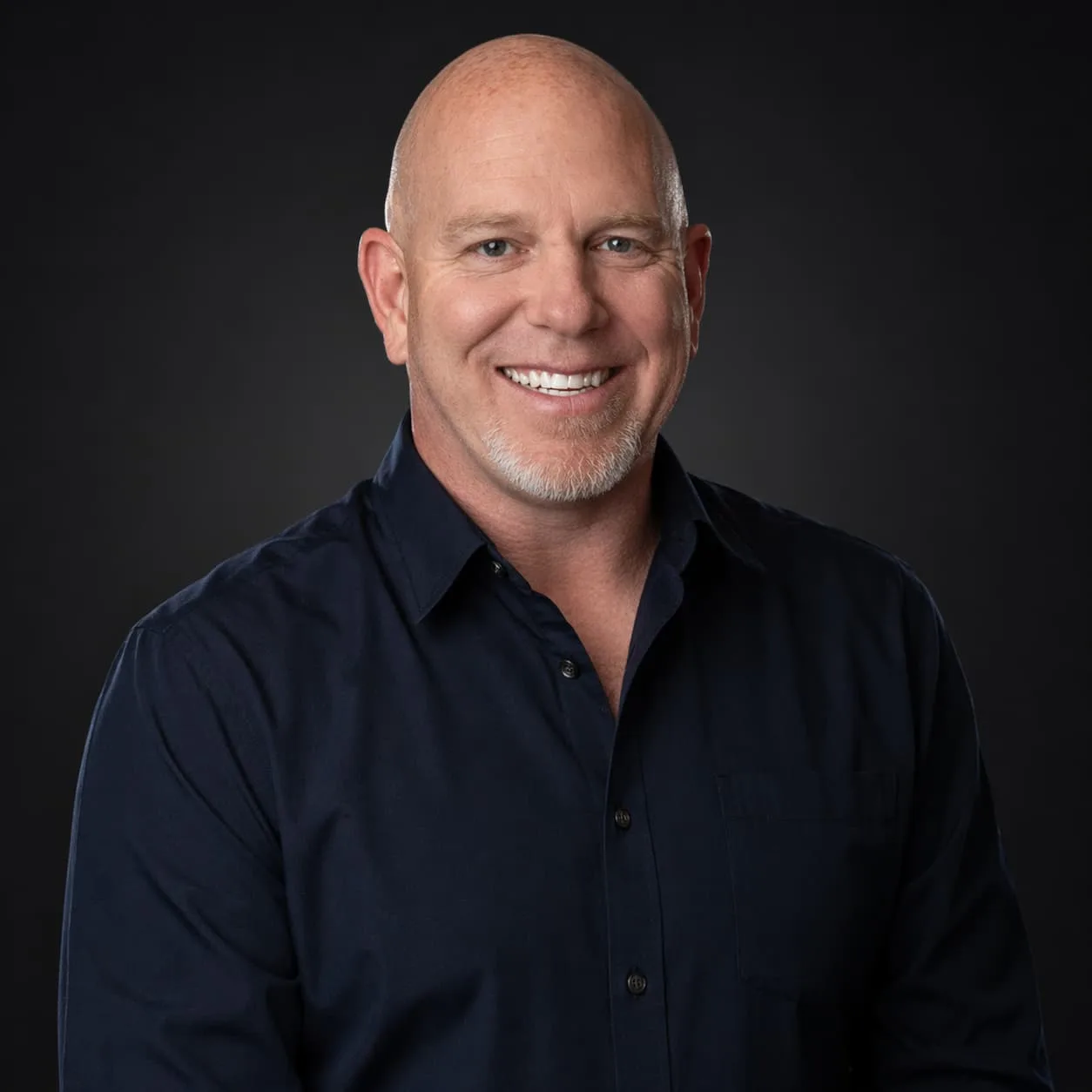
Steve Condit founded Simply IT to bring enterprise-grade IT management to small and mid-sized businesses across North Central Florida. With over 30 years of IT experience and a background in the US Marine Corps, Steve built Simply IT around the principle that local businesses deserve the same quality of technology partnership that large companies take for granted — without long-term contracts or national call center support.
KEEP READING
RELATED SOLUTIONS & SERVICE AREAS
READY TO SOLVE YOUR IT CHALLENGES?
Get a free technology assessment and find out exactly where your business stands.