HIPAA Compliance for Dental Practices in North Central Florida — Dentrix, Eaglesoft, and the Risks Your Front Desk Doesn't Know About
HIPAA applies to every dental practice in North Central Florida — but most dental-focused HIPAA guidance focuses on medical practices and misses the risks specific to dentistry. Panoramic X-rays, intraoral photos, appointment reminder texts, Dentrix BAAs, and front desk email are not peripheral concerns. They are the exact areas where OCR finds violations in dental offices most often. This guide covers what is different about dental HIPAA, what your practice management software vendor needs from you, and how to close the gaps that put Florida dental practices at risk in 2026.
What Makes Dental HIPAA Different From Medical HIPAA
The Privacy Rule and Security Rule apply identically to dental and medical practices. What differs is the specific technology dental offices use and the PHI those systems generate. A dental practice runs Dentrix or Eaglesoft (not an EHR like Epic or Athena), uses digital X-ray systems and intraoral cameras (not PACS imaging), and communicates with patients primarily through appointment reminders and front desk email. Each of these creates HIPAA obligations that general IT providers and even many dental consultants overlook.
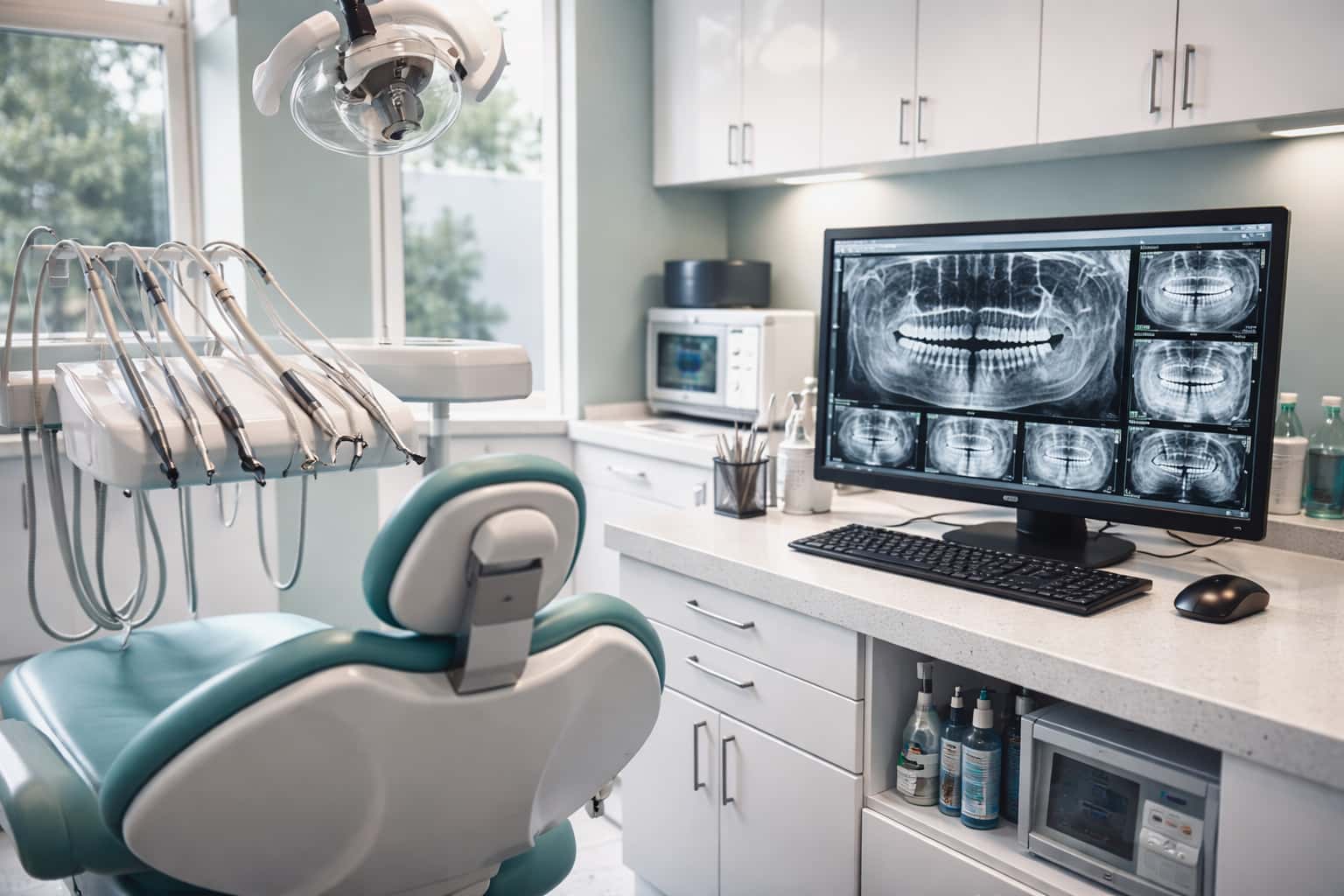
The most important distinction: dental imaging is PHI. Panoramic X-rays, bite-wing series, intraoral photographs, and 3D cone beam CT images are all Protected Health Information once they are linked to a patient record. The software that stores, transmits, and displays those images — your digital X-ray system, your intraoral camera platform, your CBCT software — must be treated with the same HIPAA discipline as your practice management software.
The 5 HIPAA Gaps Specific to Dental Offices in North Central Florida
Staff Training in a Dental Office: What HIPAA Actually Requires
HIPAA requires documented security awareness training for every workforce member who has access to PHI — including front desk staff, hygienists, dental assistants, billing staff, and any part-time employees. Training must occur at hire and then at least annually thereafter. A single staff meeting briefing does not satisfy this requirement. OCR expects training completion records with employee names, training dates, and content covered.
For dental offices, the most important training topics are: phishing recognition (front desk staff are the primary target for credential theft attacks against dental offices), proper patient communication authorization (when to use text vs. email vs. mail), handling patient photos and X-rays appropriately, and what to do when a potential breach is suspected. Staff should know to report suspicious emails and incidents immediately rather than deciding on their own whether something is serious enough to escalate.
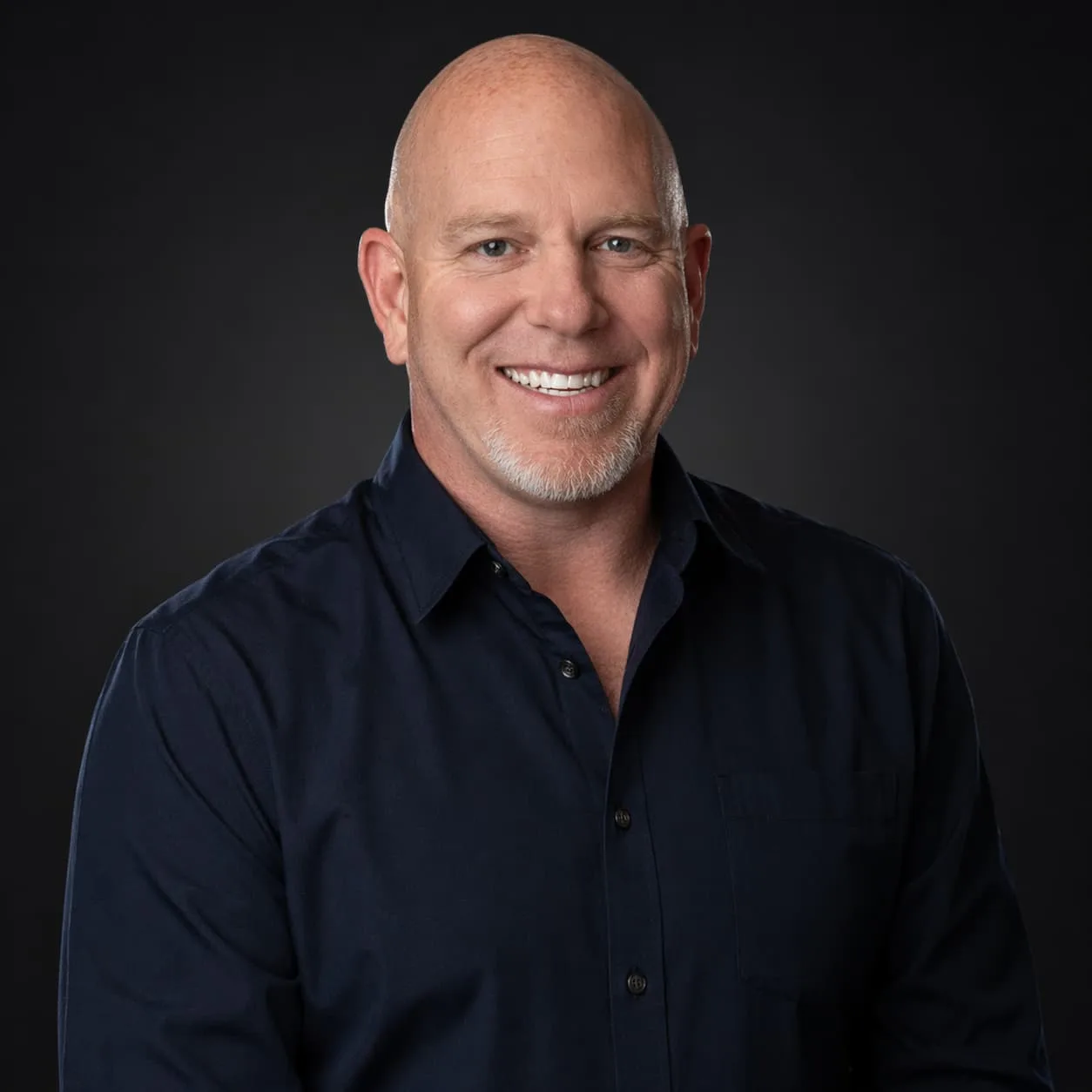
Steve Condit founded Simply IT to bring enterprise-grade IT management to small and mid-sized businesses across North Central Florida. With over 30 years of IT experience and a background in the US Marine Corps, Steve built Simply IT around the principle that local businesses deserve the same quality of technology partnership that large companies take for granted — without long-term contracts or national call center support.
KEEP READING
RELATED SOLUTIONS & SERVICE AREAS
READY TO SOLVE YOUR IT CHALLENGES?
Get a free technology assessment and find out exactly where your business stands.