
HIPAA IT Checklist for Medical Practices in North Central Florida
HIPAA compliance is one of those topics that every medical practice knows is important but few have fully addressed from a technology standpoint. After conducting technology assessments for medical and dental practices across Ocala, The Villages, and Gainesville, we consistently find the same gaps. This checklist covers the technology requirements every North Central Florida medical practice should have in place.
A quick note on responsibility: under HIPAA your practice is the covered entity and the legal duty to maintain compliance sits with you. What an IT partner can do is align your technology, policies, and documentation to support the compliance program your practice owns — risk assessments, technical safeguards, Business Associate Agreements, training records, and audit-ready evidence. The checklist below is the IT-side of that picture.
Understanding HIPAA's Technical Safeguards
HIPAA's Security Rule requires covered entities to implement technical safeguards that protect electronic protected health information — ePHI. These aren't suggestions. They're federal requirements with penalties ranging from $100 to $50,000 per violation.
The 7 HIPAA IT Checklist Areas
Compliant vs Non-Compliant Practice
| Category | Non-Compliant | Compliant |
|---|---|---|
| User Access | Shared logins, no MFA | Unique accounts, MFA everywhere |
| Audit Trail | No logging in place | Full audit logs, 6-year retention |
| Device Security | No encryption, basic antivirus | Full disk encryption, advanced EDR |
| Unencrypted ePHI transmission | Encrypted email or secure portal | |
| Backups | Untested or nonexistent | Daily tested backups, DR plan |
| Vendor Agreements | No BAAs on file | BAAs signed with all vendors |
| Staff Training | None or one-time only | Regular training, documented |
The Path to Compliance
If you're not certain your practice's technology supports its HIPAA compliance program, Simply IT conducts HIPAA security risk assessments for medical and dental practices across North Central Florida. We align your IT environment with the Security Rule's technical safeguards, sign a Business Associate Agreement with your practice, and maintain the IT-side documentation auditors expect. Your practice owns the compliance program — we deliver the technology foundation that supports it.
Get Your HIPAA Checklist →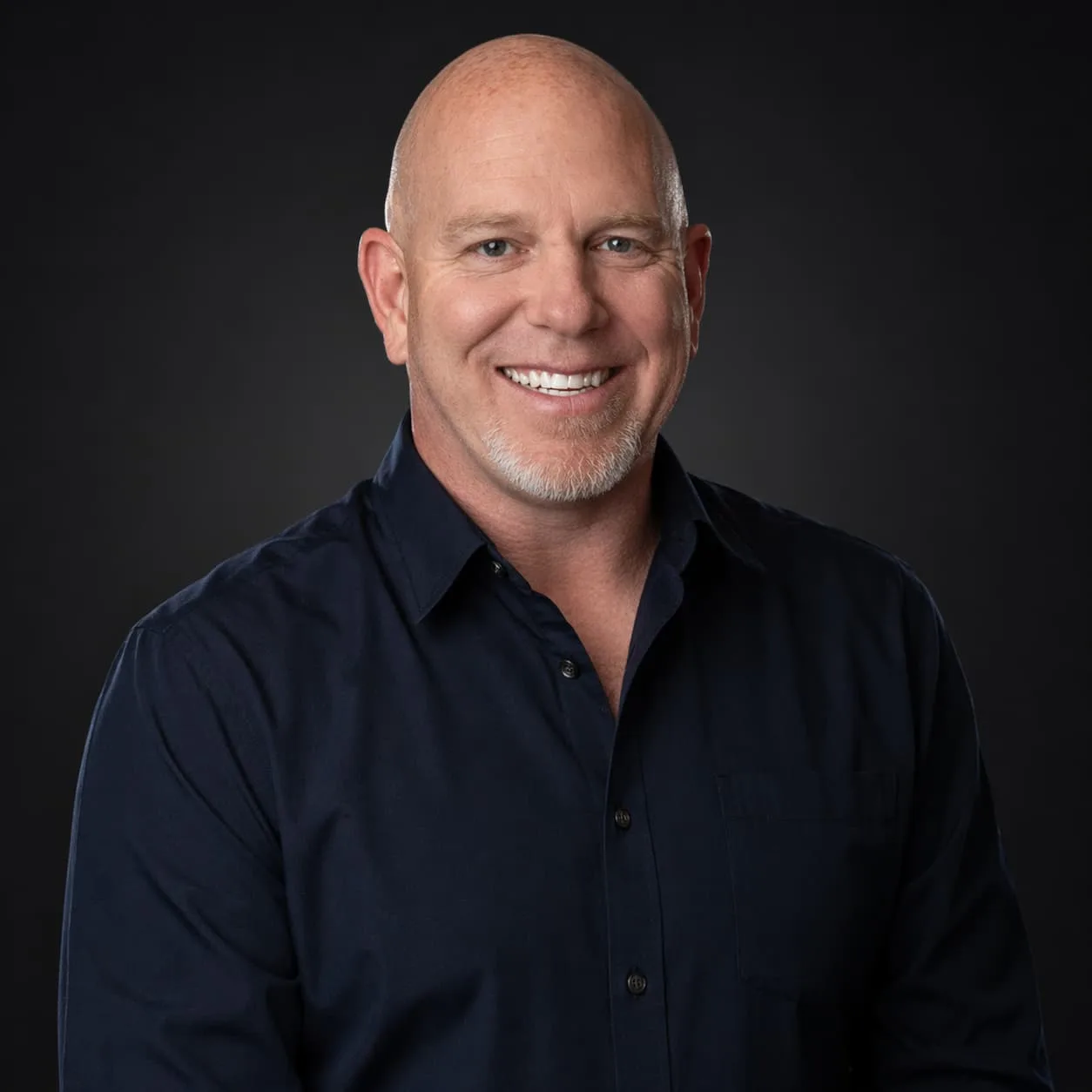
Steve Condit founded Simply IT to bring enterprise-grade IT management to small and mid-sized businesses across North Central Florida. With over 30 years of IT experience and a background in the US Marine Corps, Steve built Simply IT around the principle that local businesses deserve the same quality of technology partnership that large companies take for granted — without long-term contracts or national call center support.
KEEP READING
RELATED SOLUTIONS & SERVICE AREAS
READY TO SOLVE YOUR IT CHALLENGES?
Get a free technology assessment and find out exactly where your business stands.