
Real-Estate Closing Wire Fraud — The #1 BEC Pattern Hitting Florida Law Firms in 2026 and the Documented Defense
Florida real-estate closings remain the highest-value, highest-frequency target for business email compromise (BEC) in 2026. The combination is irresistible to attackers: large wire amounts ($200K-$2M+ routine), a 30-60 day window of email traffic across multiple parties (buyer, seller, both agents, lender, title, closing attorney), and a time-pressured wire instruction near the close. And attackers' AI tooling has elevated the spoofed emails to a level where staff can no longer be expected to spot them by hand. Here's how the attack works in 2026, why so many Florida firms still fall for it, and the 5-control documented defense that satisfies Florida Bar Rule 4-1.6 reasonable-efforts and what your malpractice carrier's underwriter will demand on renewal.
How the Attack Actually Works in 2026
The 2026 version of real-estate closing wire fraud is not the “Nigerian prince” email of a decade ago. It's a precisely engineered attack that exploits the structure of the closing process itself. Step by step:
- Initial compromise (weeks before closing): The attacker phishes any party in the closing chain — buyer's agent, seller's agent, lender, the title agency, the buyer's personal Gmail, or your firm. Often the compromised inbox is the buyer's agent at a residential brokerage with weak email security.
- Reconnaissance: The attacker silently reads the email traffic for 2-4 weeks. They learn the parties' names, signature blocks, writing styles, the closing date, the wire amount, the title company, and the planned wire-instruction handoff.
- The swap: Just before the legitimate wire-instruction email is sent (or just after), the attacker injects a perfectly-crafted email that appears to be from the title agent (or the closing attorney) attaching “updated” wire instructions pointing at an attacker-controlled bank account. AI tooling generates the message with correct names, signatures, prior thread context, and the firm's real letterhead.
- The voice-cloned verification: The 2026 escalation. When the buyer calls to verify, the attacker has already cloned the closing agent's voice from a 30-second sample (often pulled from a YouTube interview or a voicemail greeting). The attacker calls the buyer's cell first, using the cloned voice, to “confirm” the new wire info. By the time the buyer would normally call the firm to verify, they've already been “verified” by the attacker.
- The hop: Once the funds hit the receiving account, they're moved within hours to an international account — typically Hong Kong, UAE, or a sequence of mule accounts. After the international hop, recovery rates fall below 2%.
The 2026 AI Escalation — Why “Staff Will Spot It” No Longer Works
For two decades, the practical defense was “train staff to look for the red flags — misspellings, off-brand language, urgency, mismatched display names.” In 2026 those red flags have all been eliminated by generative AI. The spoofed email is grammatically perfect, uses the sender's exact writing voice (the attacker has 3-4 weeks of training data from the compromised inbox), preserves the prior thread context, and arrives at exactly the time the team would expect a wire-instruction email. The voice clone matches the closing agent down to her cadence and laugh. Detection by the human in the loop is no longer a reliable control. The defense has to be process — not detection.
The 5-Control Documented Defense
Every Florida law firm that handles real-estate closings needs these five controls. Together they don't make BEC impossible — nothing does — but they make the attack survivable and they form the documented “reasonable efforts” record that Rule 4-1.6 demands when the worst case happens anyway.
The Florida Bar Rule 4-1.6 Framing
Rule 4-1.6(e) requires the lawyer to “make reasonable efforts to prevent the inadvertent or unauthorized disclosure of, or unauthorized access to, information relating to the representation of a client.” In a wire-fraud incident, “reasonable efforts” is what separates a defensible loss from a Bar exposure. With the 5 controls above documented and operating: “The firm implemented a wire-verification protocol, communicated it to the client in writing at engagement, and the attack succeeded against the client's own email account through a path the firm couldn't reasonably control” — defensible. Without them: “The firm received a wire-instruction change by email and acted on it without out-of-band verification” — that's a Bar grievance and a malpractice claim with no defense. For the broader rule framework see ABA cybersecurity obligations for Florida attorneys.
The Malpractice Carrier Framing
Every Florida lawyers' professional liability application in 2026 asks about wire-verification protocol. Most ask specifically: do you require out-of-band verification on every wire instruction; do you have a documented protocol that the firm follows; does your engagement letter address wire fraud. “Yes” on those questions, with documentation to back it up, is now the difference between a 5-7% premium increase and a 30-50% increase or a non-renewal. The underwriter wants the documented protocol — provide it proactively at renewal and you'll see it in the price.
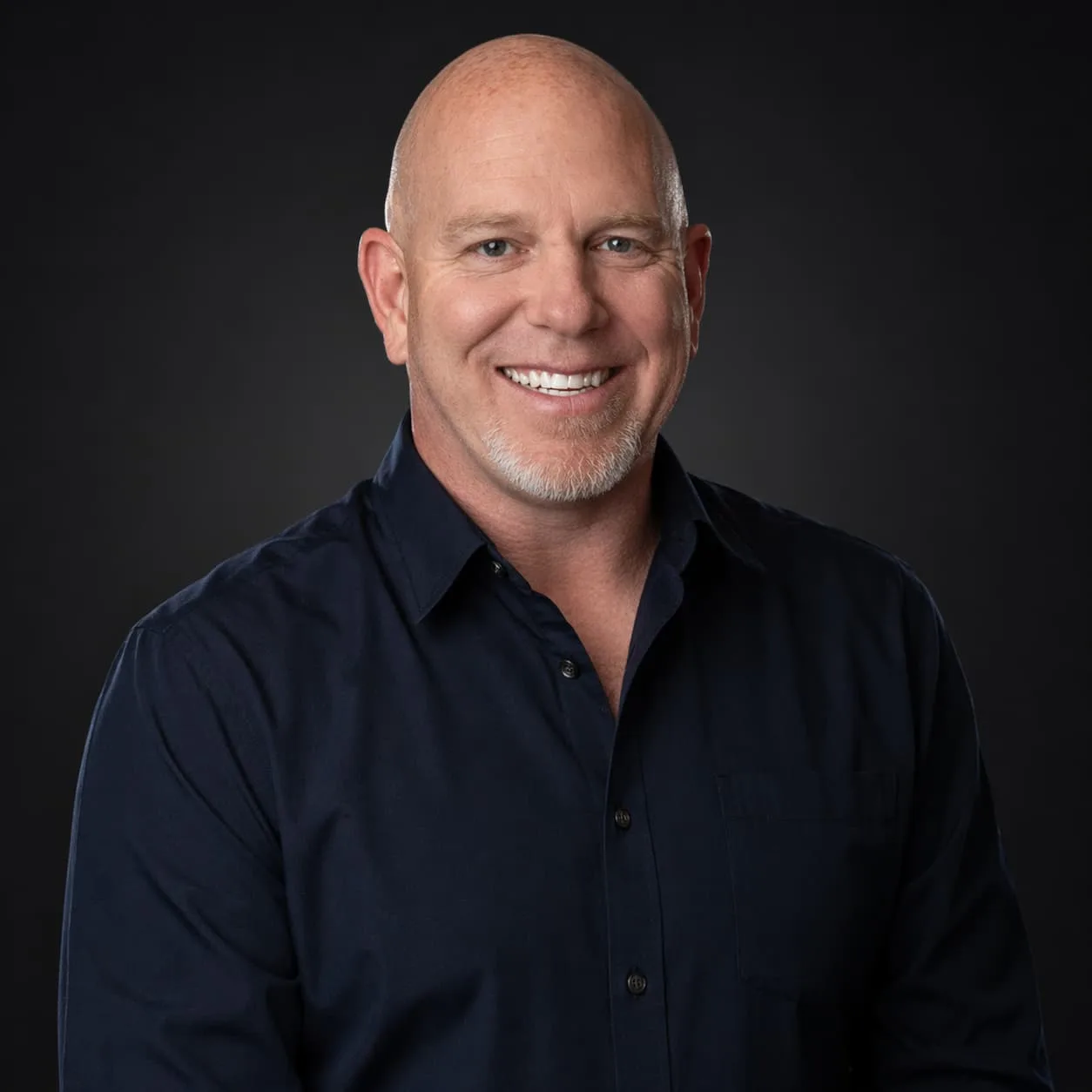
Steve Condit founded Simply IT to bring enterprise-grade IT management to small and mid-sized businesses across North Central Florida. With over 30 years of IT experience and a background in the US Marine Corps, Steve built Simply IT around the principle that local businesses deserve the same quality of technology partnership that large companies take for granted — without long-term contracts or national call center support.
KEEP READING
RELATED SOLUTIONS & SERVICE AREAS
READY TO SOLVE YOUR IT CHALLENGES?
Get a free technology assessment and find out exactly where your business stands.