
Run Your Villages Business's Hurricane IT Tabletop Exercise — The 90-Minute Pre-Season Drill for Sumter, Lake, and Marion County Operators
The Villages is inland, sits at roughly 60 feet of elevation, and almost never sees the same direct surge damage that hits the coasts — which is exactly why most Villages business owners under-prepare for hurricane season. The threats that actually take a Villages medical, dental, legal, or retail operation offline are different from the ones an Anna Maria Island shop worries about: extended power loss on the Sumter / Lake / Marion grid, internet circuit outages that cascade across the 3-county footprint, employee evacuation patterns that drain your staffing for 5-10 days, and a senior patient/customer base that needs proactive, channel-appropriate notification when service is degraded. The 90-minute tabletop drill below is the one we run with our Villages clients every May. It surfaces the gaps in your plan before the storm does. For the full continuity framework, start with our Villages managed IT guide, and for the broader statewide version of this drill see our Florida hurricane IT tabletop exercise post.
Why a Villages Business Needs This Drill (Even Though You're Inland)
Walk the last decade of named storms that affected Sumter, Lake, and Marion counties and the pattern is consistent. The wind damage rarely takes a building. The grid takes 36-96 hours to recover in pockets. The Spectrum and Comcast trunks across the 3-county footprint have gone down for stretches measured in days. Generator fuel deliveries get prioritized to hospitals and life-safety facilities — a dental office or law firm is days 4-5 on the priority list at best. And the most underrated factor in The Villages specifically: your staff lives where your clients live. When evacuation orders go out for adjoining coastal counties, family members of your Villages-resident staff start showing up. When power is out at the staff member's daughter's house in Inverness or Crystal River, that staff member is not coming to work tomorrow. Operational continuity in The Villages is a staffing problem at least as much as it is a technology problem — and the tabletop has to surface both.
The 4 Roles to Assign Before You Start
Don't run a tabletop with “everyone in the room talks at once.” Pre-assign these four roles, give each one a one-page brief 24 hours in advance, then walk the scenarios in order:
- Incident Commander: Usually the owner or managing partner. Makes the go/no-go calls (close the office, move to remote work, cancel patient appointments). Authorized to spend up to a pre-agreed dollar amount on emergency response without a second sign-off.
- Technology Lead: Your office manager or designated tech-point if you have one, your MSP's on-call contact if you don't. Owns dual-WAN failover, generator startup, cloud-cutover credentials, and post-storm system verification.
- Communications Lead: The person who calls patients, clients, employees, and suppliers. For senior-heavy Villages businesses this role matters more than it does anywhere else — a 76-year-old patient does not check Facebook for the “we're closed today” post.
- Documentation Lead: One person, one phone, one folder. Photographs damage, captures timestamps, logs every vendor call, saves every text. This person's output is what feeds the insurance claim and any HIPAA / Bar / FTC documentation downstream.
The 6 Scenarios to Walk Through
Each scenario gets 10-15 minutes of focused discussion. The goal isn't to solve the scenario perfectly — it's to identify the 1-3 gaps that need real work before June 1.
Villages-Specific Considerations Other Drills Miss
A generic Florida hurricane drill won't cover these. Add them to your tabletop or you will be the one figuring them out in real time:
- Senior-patient / senior-client notification cadence: Email gets ignored. Facebook gets ignored. A pre-recorded phone call to the patient's home number, sent through your practice management system or a tool like CallEm-All, is what actually reaches the 70+ demographic. Build the recorded-call workflow in May, not in August. Have a script written, a phone tree assigned, and a vendor account that's already been tested.
- AHJ approval for life-safety phones: Lake County, Sumter County, and Marion County fire marshals have different positions on POTS-line replacements feeding alarm panels and elevator phones. If you have a building with elevators or alarm dialers, your fire marshal's signoff on the cellular or VoIP-with-battery-backup replacement needs to be in your storm folder. We've seen Villages-area buildings re-shut after a storm because the fire marshal couldn't confirm the life-safety phone was operational on backup power. See our POTS line replacement options guide for the AHJ paperwork specifics.
- FPL / Duke / SECO outage history for your specific block: The grid varies dramatically inside the Villages footprint. Brownwood Paddock differs from Spanish Springs differs from Lake Sumter Landing. Pull the 5-year outage history for your actual address before storm season. If your block is on a circuit that historically takes 60+ hours to restore, your generator-fuel math changes.
- Supplier disruption from coastal counties: Your dental supplier may be based in Tampa. Your printer toner comes out of Orlando. Your patient gowns ship from Jacksonville. If those counties take a direct hit, your supply chain is the operational constraint, not your office. Map the top 5 suppliers by address before the storm and have a secondary identified.
- Staff with second homes — out-of-area family loops: A meaningful percentage of Villages-area staff have grown children in Tampa Bay, the panhandle, or the Carolinas. When the storm tracks toward those areas, you lose those staff members to family travel before any local impact. Plan staffing around it.
The 72-Hour Post-Storm Runbook
The drill should end with everyone reviewing the post-storm runbook. Here's the framework we use with Villages clients:
- Hour 0-12 (storm passing / immediate aftermath): Account for every staff member. Confirm building safety. Document any damage before cleanup. Verify generator status. Do not enter the building until structural safety is confirmed by the AHJ for major damage.
- Hour 12-24 (assess and notify): Send the pre-recorded notification call to patients/clients. Update the website and Google Business Profile. Notify your MSP, your cyber insurer, and your business interruption insurer in writing. Begin the documented vendor-call log.
- Hour 24-48 (partial operations): Bring systems online in priority order — clinical / case-management first, billing second, marketing third. Verify backups completed during the outage window. Run security checks on any device that was on a home network during the storm.
- Hour 48-72 (return to normal): Reopen the office once power, internet, HVAC, and life-safety systems are confirmed operational. Run a debrief with the team within 7 days while the lessons are fresh.
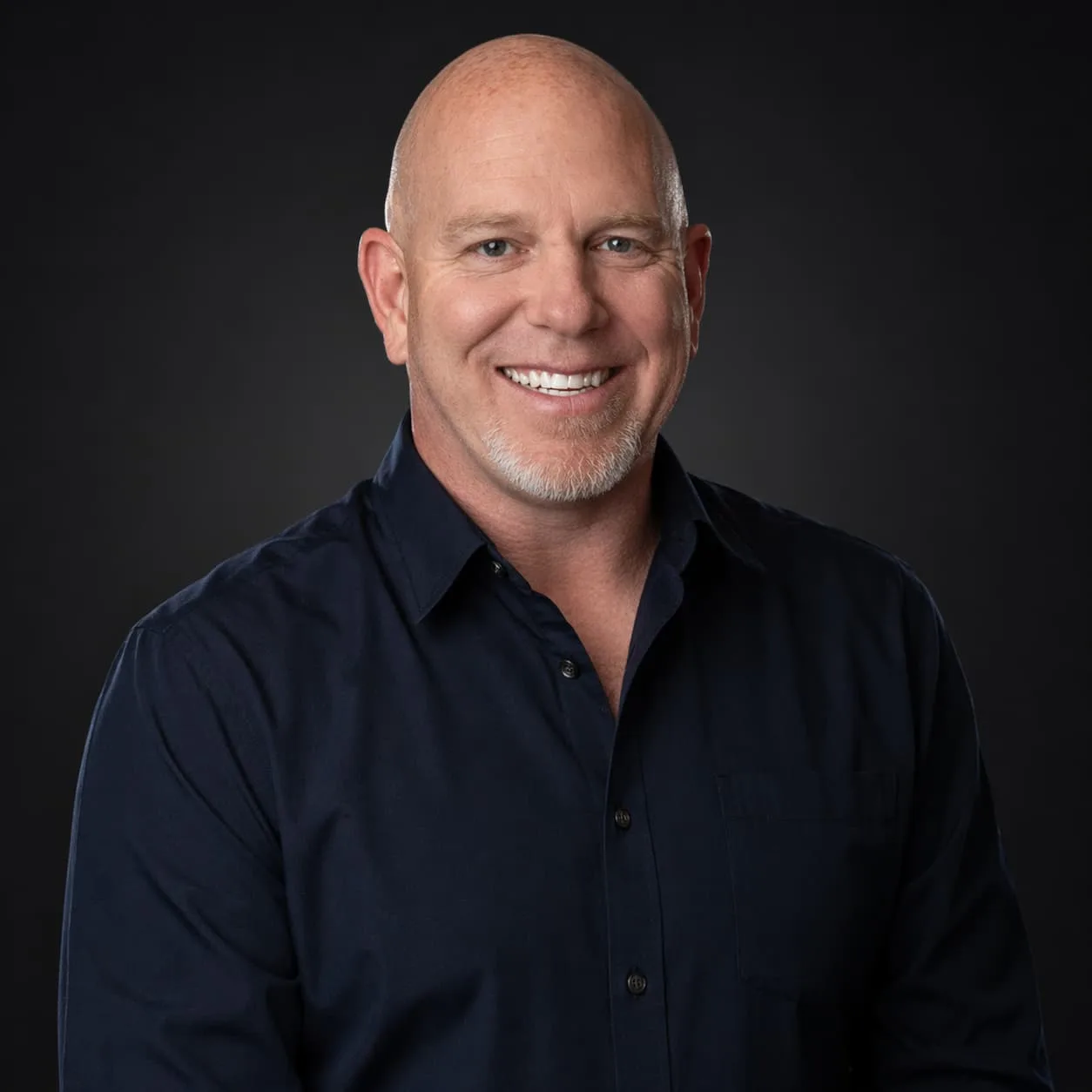
Steve Condit founded Simply IT to bring enterprise-grade IT management to small and mid-sized businesses across North Central Florida. With over 30 years of IT experience and a background in the US Marine Corps, Steve built Simply IT around the principle that local businesses deserve the same quality of technology partnership that large companies take for granted — without long-term contracts or national call center support.
KEEP READING
RELATED SOLUTIONS & SERVICE AREAS
READY TO SOLVE YOUR IT CHALLENGES?
Get a free technology assessment and find out exactly where your business stands.